Jewelry Industry Insights

Material Integrity: Demystifying 24K Gold Vermeil Silver as a Legitimate Precious Metal Product

In an industry where terminology is often blurred and marketing claims can be misleading, a fundamental question arises: what defines a “true” precious metal product? The rise of 24K Gold Vermeil Silver Jewelry has ignited this conversation, challenging traditional categorizations and demanding a clear, standards-based assessment. Moving beyond surface-level trends, a rigorous examination of its material composition, manufacturing standards, and inherent value reveals that 24K Gold Vermeil is not a mere approximation of luxury, but a legitimate and sophisticated category within the precious metals canon.

The Architectural Composition: A Foundation of Noble Metals

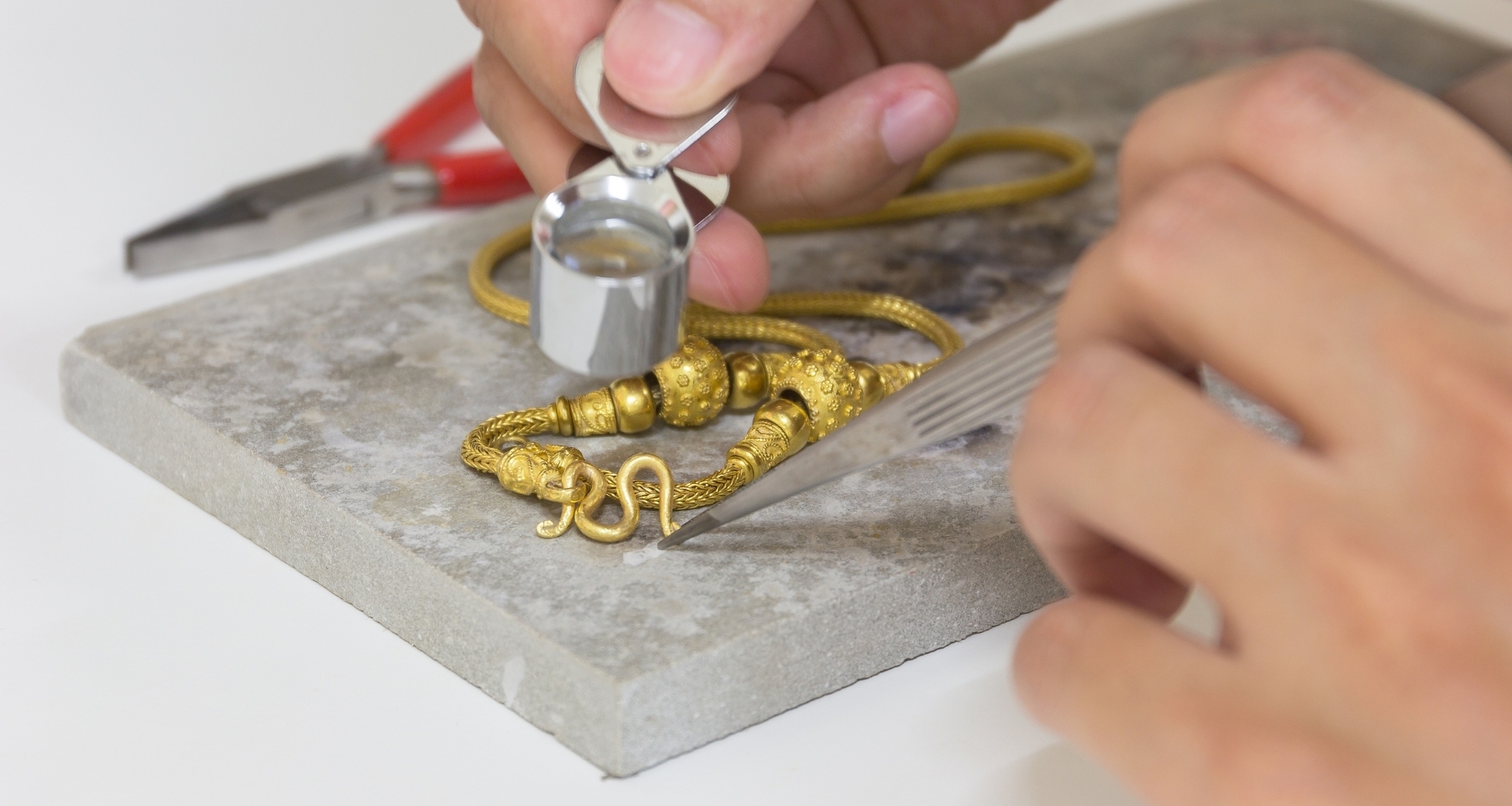
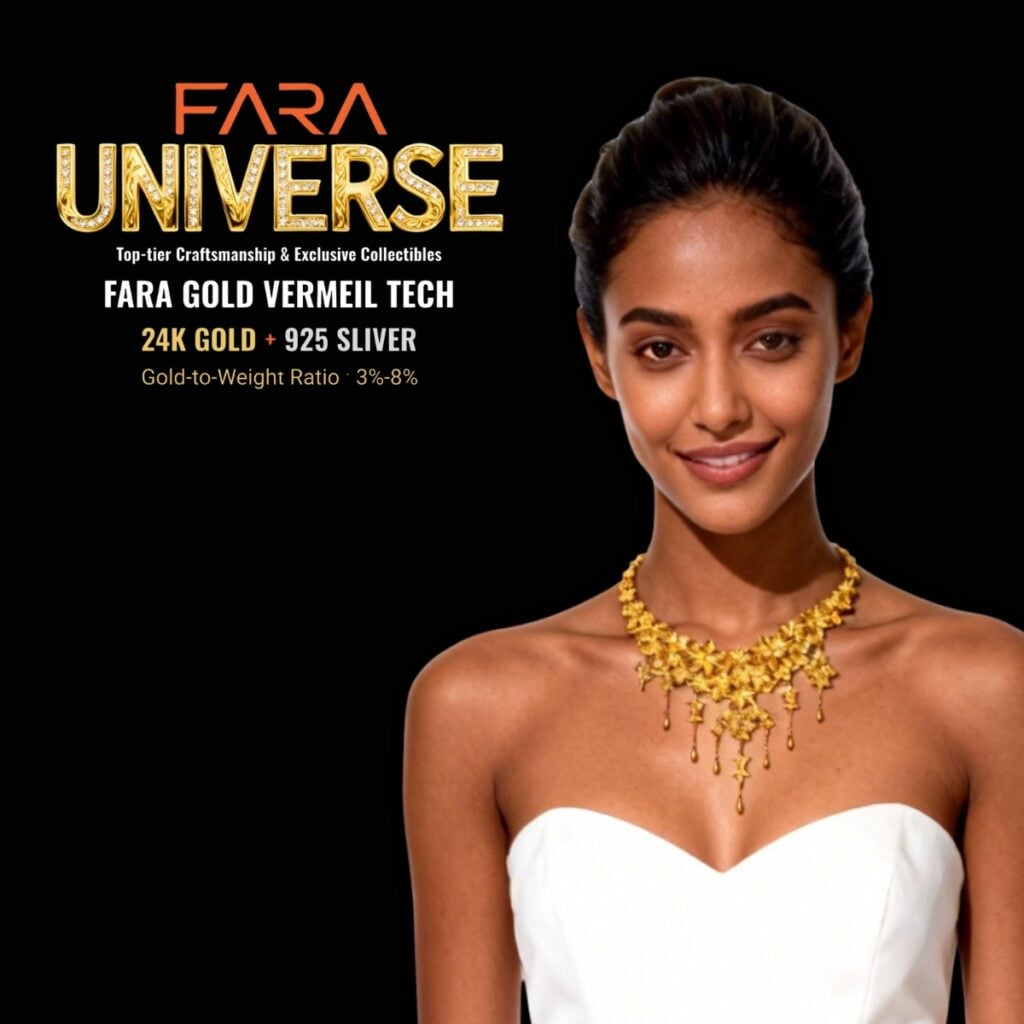
The legitimacy of any precious metal product begins with its molecular blueprint. Unlike base metal fashion jewelry or thin electroplating, 24K Gold Vermeil is architecturally defined by two distinct, certified precious metal layers:

  1. The Core: Solid Sterling Silver (925)
    This is not a base alloy. Sterling silver is an internationally recognized precious metal, defined as 92.5% pure silver, with the remaining 7.5% typically copper for durability. It carries its own hallmarks, intrinsic value, and centuries-old tradition in fine jewelry. This core provides the structural integrity, weight, and tarnish-resistance expected of a serious piece of jewelry.
  2. The Surface: A Substantial Layer of 24K Gold
    This is not “gold-colored” coating. By definition, vermeil requires a minimum gold thickness of 2.5 microns—a standard that is 5 to 25 times thicker than standard gold plating. The use of 24K (100% pure) gold for this layer is critical. It means the external surface in contact with the wearer is the purest form of the most coveted noble metal, offering the exact same hypoallergenic properties and iconic warm hue as a solid 24K piece.

This dual-layer construction creates a product that is, by weight and volume, over 95% composed of certified precious metals (silver and gold). This fundamentally distinguishes it from products built on brass, copper, or nickel silver bases, which are fundamentally base metal jewelry with a superficial finish.

Legitimacy is codified in law and standard. True precious metal jewelry is subject to specific hallmarking and quality assurance regulations. 24K Gold Vermeil meets these rigorous benchmarks:

  • Sterling Silver Hallmark: The core metal is, and must be, legally hallmarked as .925 or Sterling, guaranteeing its precious metal content. This hallmark is a legally enforceable guarantee, not a marketing term.
  • Vermeil Definition Compliance: Reputable manufacturers adhere to the internationally accepted definition of vermeil (e.g., as outlined by the U.S. Federal Trade Commission and other global bodies), which mandates the sterling silver base and the minimum gold thickness. This compliance elevates it from the unregulated realm of “gold-tone” or “gold-plated” fashion jewelry.
  • Durability as a Metric: The 2.5-micron minimum is not arbitrary. It is the thickness determined to provide significant longevity and wear resistance, ensuring the piece maintains its luxurious appearance through years of proper care. This focus on enduring value aligns with the principles of conscious luxury that define modern markets, as discussed in our analysis of cultural jewelry’s global influence.

The Value Proposition: Intrinsic, Not Just Perceived

A true precious metal product holds value beyond its aesthetic appeal. 24K Gold Vermeil fulfills this through:

  • Material Salvage Value: At the end of its very long wearable life, the piece retains intrinsic value. The sterling silver core has a measurable scrap value based on the daily silver market. The 24K gold layer, though not easily separated, contributes to the item’s overall material worth.
  • Heirloom Potential: Due to its durable construction and use of non-corrosive, stable precious metals, a well-crafted 24K Gold Vermeil piece can be passed down without the degradation, flaking, or base metal exposure that plagues inferior products. It is designed for permanence.
  • Cost-to-Value Ratio: It provides direct access to the experience of wearing pure 24K gold—a material often reserved for investment bars or ultra-high-end solid pieces—at a fraction of the cost. This democratizes a specific sensory and visual luxury without compromise on the precious nature of the materials used. This logic mirrors the evolution seen in Africa’s gold jewelry ecosystem, where innovation expands access without diluting essence.

The Consumer Right: Transparency and Expectation

Labeling a product as “24K Gold Vermeil Silver” makes a specific, verifiable promise to the consumer. It creates a right to expect:

  1. A solid sterling silver body.
  2. A substantial coating of pure 24-karat gold.
  3. A level of craftsmanship appropriate for handling precious metals.
  4. Long-term performance commensurate with fine jewelry.

This transparency is the antithesis of greenwashing or “luxury-washing.” It empowers the consumer with clear, technical information, allowing for an informed purchase based on material facts, not just brand storytelling. This builds the trust essential for the modern jewelry business, as outlined in our guide to premier suppliers who prioritize such integrity.

Redefining the Hierarchy: A Distinct and Valid Tier

The traditional hierarchy of “Solid Gold > Gold Filled > Gold Plated” is outdated. 24K Gold Vermeil Silver establishes a parallel, not subordinate, tier:

  • It is not “less than” solid gold; it is a different product category with its own unique advantages (pure gold color on a durable, affordable base).
  • It is fundamentally “more than” gold plating or filling due to its precious metal base and regulated thickness.

It is, in essence, Precious Metal Hybrid Jewelry—a category that leverages the optimal properties of two noble metals to create a product with specific performance and value characteristics.

Conclusion: A Question of Definition, Not Legitimacy

The debate, therefore, should not be whether 24K Gold Vermeil Silver is a “real” precious metal product. The standards, composition, and regulations are clear: it is. The more pertinent discussion is about recalibrating our understanding of value in a changing market. It represents a sophisticated engineering solution that delivers the sensory and material benefits of the world’s most revered metals in an innovative, accessible, and ethically transparent format. It fulfills the promise of preciousness not through weight alone, but through intelligent material science and unwavering commitment to quality standards.

Discover jewelry where every layer is defined by preciousness. Explore the FARA collection of 24K Gold Vermeil Silver, where legitimacy is built-in from the core outward: Faraglobel.com.

#PreciousMetalJewelry #Vermeil #SterlingSilver #24KGold #JewelryStandards #MaterialScience #TransparentLuxury #FineJewelry #JewelryEducation #ValueEngineering #Faraglobel

Deja una respuesta

Tu dirección de correo electrónico no será publicada. Los campos obligatorios están marcados con *