X
- No products in the list
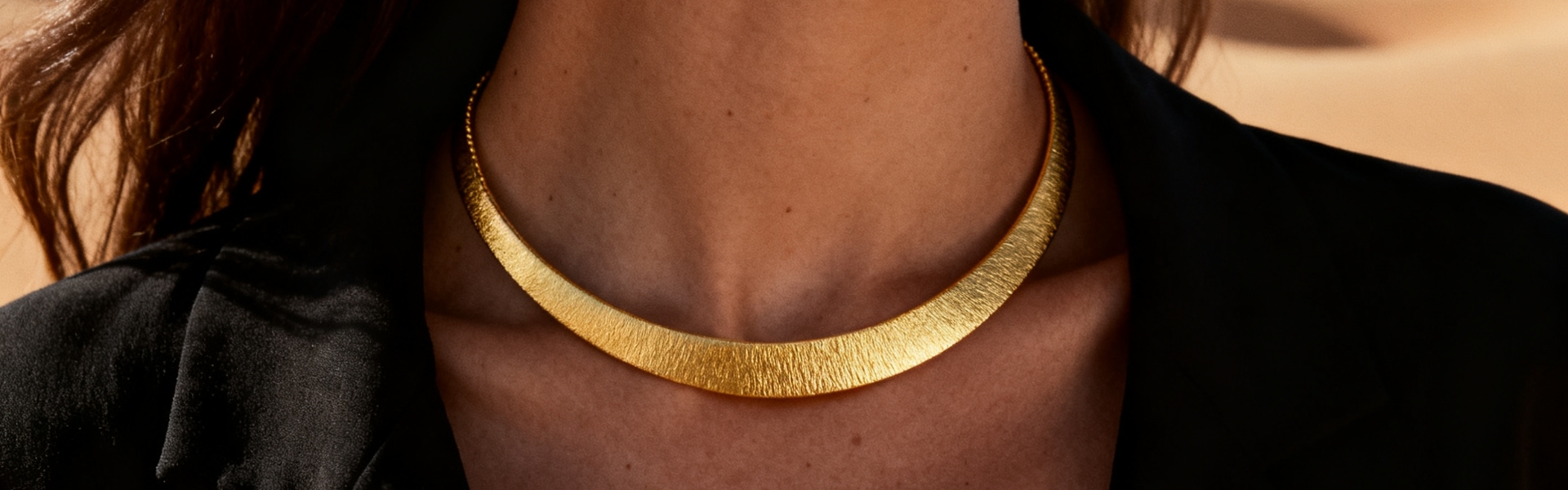
In an era of mass production, a powerful counter-trend is taking hold: the desire for authenticity, meaning, and connection through what we wear. Nowhere is this more evident than in the meteoric rise of cultural and heritage jewelry. Moving far beyond mere “ethnic chic,” this movement represents a profound shift towards pieces that tell stories, honor craftsmanship, and celebrate identity. Let’s explore how traditional adornment from across Africa and beyond is being reimagined, reshaping the global fashion landscape and our very understanding of luxury.
Modern luxury is being redefined. It’s no longer just about conspicuous logos or precious metals alone. Today’s discerning consumer seeks value-driven luxury—pieces with emotional and narrative weight. This aligns perfectly with heritage jewelry, where the true value lies in:
This trend is powerfully documented by platforms like Vogue Business, which regularly analyses the rise of cultural storytelling in fashion as a key market driver.
From international runways to street style, symbolic motifs are everywhere. Designers and style icons are not just borrowing aesthetics; they are engaging with the symbolism, creating a new visual language of respect and fusion.
This respectful integration shows a move from appropriation to appreciation, where the origin and significance of the motifs are acknowledged and celebrated. For a deeper academic look at the journey of specific symbols, resources like the British Museum’s African Galleries provide fascinating context.
The most significant and sustainable trend is the shift in the designer-artisan relationship. Leading ethical brands are moving beyond simply sourcing components to engaging in true co-creation. This model:
Embracing this trend is about mindful styling:
The global embrace of heritage jewelry is more than a passing trend; it’s a cultural re-awakening. It signifies a collective yearning for authenticity, a rejection of homogenous fashion, and a celebration of human creativity in its most diverse forms.
As we move forward, the most compelling pieces will be those that act as bridges—between past and future, artisan and wearer, local tradition and global style. They remind us that what we choose to adorn ourselves with can be a powerful declaration of what we value: beauty with meaning, style with substance, and fashion that connects rather than isolates.
Explore how contemporary design interprets timeless cultural artistry. Discover pieces that begin a conversation at Faraglobel.com.
#CulturalJewelry #HeritageFashion #ArtisanCollaboration #EthicalLuxury #ModernHeirlooms #GlobalStyle #WearableStory #SymbolismInJewelry #ConsciousConsumer #Faraglobel
No account yet?
Create an Account