
X
- No products in the list
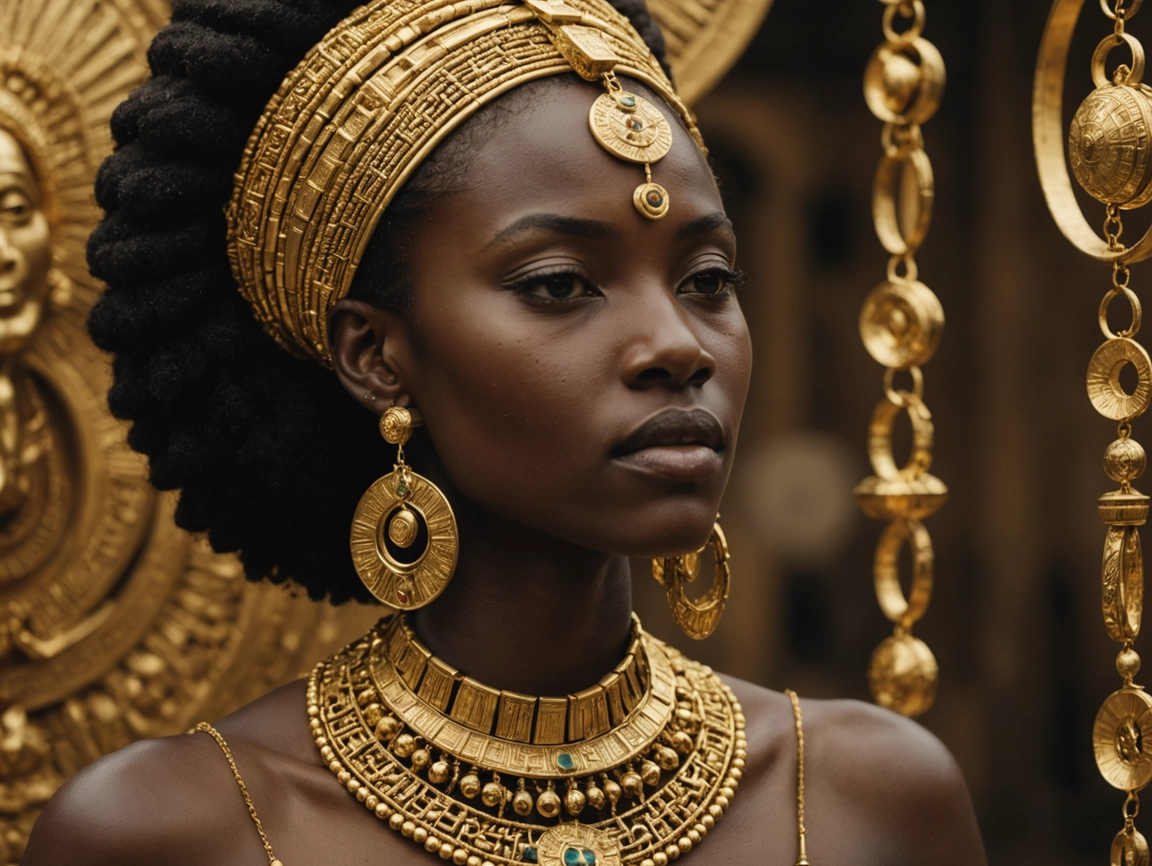
Gold from Africa is more than a precious metal; it is sunlight solidified, a symbol of status and spirituality, and a narrative thread woven through the continent’s history. Today, this legacy is being reimagined. African gold jewelry is experiencing a renaissance, driven by a powerful fusion of deep heritage, contemporary design, and a global demand for authenticity and ethical integrity. This movement goes beyond aesthetics—it’s about honoring origin, empowering craftsmanship, and defining a new, conscious future for luxury. For designers, retailers, and discerning consumers, understanding these trends is key to engaging with the next chapter of fine jewelry.
To appreciate the modern evolution, one must first honor the past. Across the continent, gold was never merely decorative. In the empires of Ashanti (Ghana) and Benin, it was the exclusive material of royalty, crafted into elaborate regalia that embodied political power, divine connection, and ancestral veneration. The lost-wax casting techniques perfected centuries ago continue to produce pieces of stunning complexity and symbolic weight, from golden pectoral discs to symbolic adinkra pendants.
Meanwhile, in North Africa, the intricate filigree and engraving traditions of the Amazigh (Berber) people told stories of identity and protection through delicate, yet powerful, forms. These historical foundations, as explored in our journey through East and Central Africa’s jewelry traditions, provide an endless well of inspiration. The contemporary trend isn’t about replicating museum pieces, but rather interpreting their spirit—translating the weight of a royal linguist staff into the bold curve of a modern cuff, or the geometry of a Ndebele design into the lines of a sleek signet ring.
Today’s leading African and Africa-inspired designers are masters of alchemy, transforming this rich heritage into globally desired objects. The trends defining this renaissance include:
Perhaps the most significant trend is not a design style, but a value system. The conscious consumer of today demands transparency. The question “Is it beautiful?” is now inseparably followed by “Where is the gold from?” and “Who made it?“
At the intersection of these powerful trends—heritage inspiration, contemporary design, and ethical sourcing—stands FARA. We operate not just as a gold jewelry manufacturer or wholesale gold jewelry supplier, but as a conduit for this new narrative.
We partner directly with skilled artisans and certified sources across Africa, respecting the material’s origin. Our design team then works to translate the continent’s iconic forms and textures into collections that resonate with the global market—from bold, statement wholesale pieces for retailers to delicate, everyday gold vermeil jewelry for direct consumers. As a vertically integrated gold jewelry manufacturer, we control the process from sourcing to finishing, ensuring every piece that carries our name meets the highest standards of craftsmanship, ethics, and design integrity.
The story of African gold jewelry is being rewritten. It is a story that honors its profound past while boldly shaping its future—a future where luxury is measured by its beauty, its meaning, and its positive impact. For retailers looking to curate meaningful collections, and for individuals seeking to wear a piece of this enduring legacy, the journey begins with partners who understand this complete picture.
Discover how heritage is refined into contemporary heirlooms. Explore the FARA collection as a retailer or a connoisseur at Faraglobel.com.
#AfricanGold #GoldJewelryTrends #EthicalGold #ArtisanMade #GoldVermeil #WholesaleJewelry #JewelryManufacturer #ContemporaryAfricanDesign #LuxuryWithPurpose #ConsciousLuxury #Faraglobel
No account yet?
Create an Account