X
- No products in the list
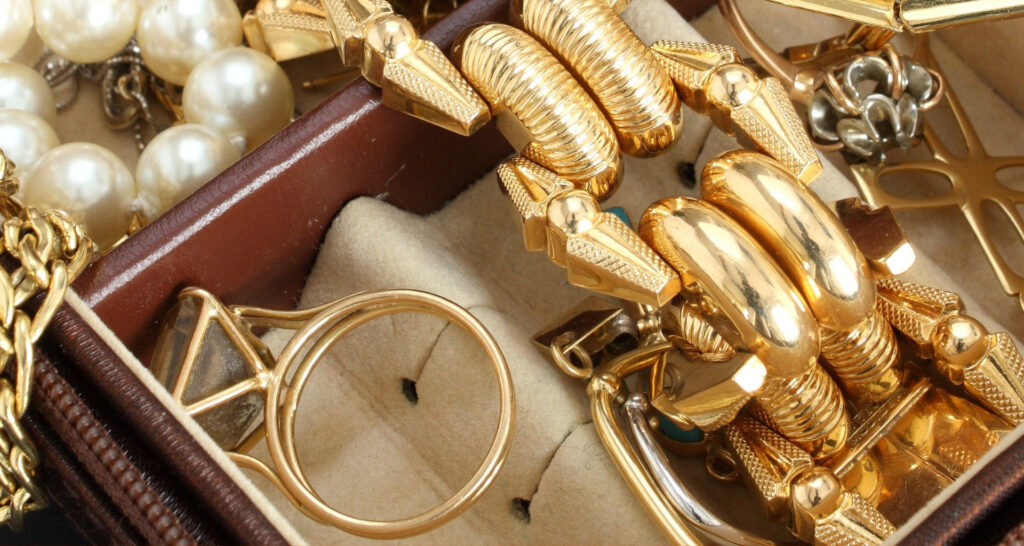
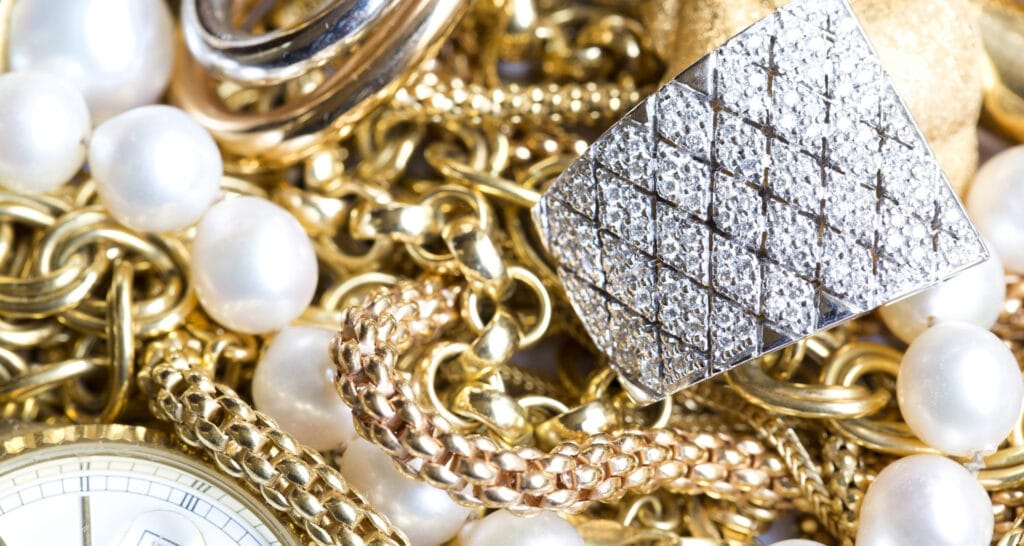
Walk into any contemporary boutique from Lagos to Nairobi, and you’ll notice a striking departure from the jewelry displays of the past. Gone are the rigidly segregated shelves of purely yellow gold or silver. In their place, pieces that gleam with a deliberate, dynamic contrast: the warm glow of gold seamlessly woven with the cool luster of silver, or dramatically edged with modern black rhodium. This is more than a visual trend; it’s a design revolution. As fashion trend reports from Africa Fashion Week consistently highlight, “mixed metals” has risen to become a top-requested design feature, celebrated as the ultimate way to showcase a global, innovative, and distinctly modern African aesthetic-6.
This shift signifies a new chapter in personal adornment. It reflects a consumer who is confident, creatively bold, and no longer bound by traditional “rules” of jewelry matching. For the forward-thinking wearer, mixing metals is a form of style curation, allowing for unparalleled versatility and personal expression that resonates on a worldwide stage.
The ascent of mixed-metal designs is not merely artistic; it’s a savvy response to global market dynamics. A primary driver is the sustained high price of gold, which has compelled the industry to think creatively about luxury-1. Manufacturers and designers are innovating to deliver visually rich, substantial pieces without the prohibitive cost of constructing them entirely from a single precious metal-3.
This strategy dovetails perfectly with the growing consumer demand for “affordable luxury” – high-design pieces that feel special and luxurious but are accessible for celebrating life’s daily achievements, not just monumental milestones-4. Mixed-metal jewelry answers this call brilliantly. By combining gold with sterling silver or other metals, designers can create pieces with the opulent feel and sophisticated contrast of high-end jewelry at a more accessible point-3. This has propelled mixed metals from a niche style to a major global trend, embraced by everyone from major international houses to independent artisans-3.
In Africa, the mixed-metal trend finds particularly fertile ground, intersecting powerfully with the continent’s own narrative of innovation and global integration.
At the heart of many contemporary mixed-metal designs lies Gold Vermeil. This technique, which involves a thick layer of gold (typically 2.5 microns) over a sterling silver base, is ideally suited for this trend-4. It provides the luxurious, warm hue and durability of solid gold for the gilded elements, while the sterling silver portions offer a perfect cool-toned contrast. The result is jewelry with significant visual weight and a high-quality feel, achieved through a smart and sustainable use of materials. For brands focusing on accessible luxury, Gold Vermeil is not a compromise but a strategic and stylish choice-4.
The move towards mixed metals in African jewelry is a definitive shift. It signals a maturation of the market and the confidence of its consumers. This trend is about breaking old rules to write new ones, celebrating contrast as a form of harmony, and crafting a personal style narrative that is both culturally anchored and globally fluent.
It speaks to a wearer who is intentional, creative, and unafraid to let their accessories tell a complex story. In a world that often demands binary choices, mixed-metal jewelry offers a brilliant, beautiful third way. It proves that the most compelling style statements are often those that boldly and elegantly bring different worlds together.
#FARAGlobal #MixedMetals #GoldVermeilJewelry #ContemporaryDesign #AfricanInnovation #ModernJewelry #VermeilJewelry #FashionForward #AfricanLuxury #JewelryTrends #StyleCuration
No account yet?
Create an Account